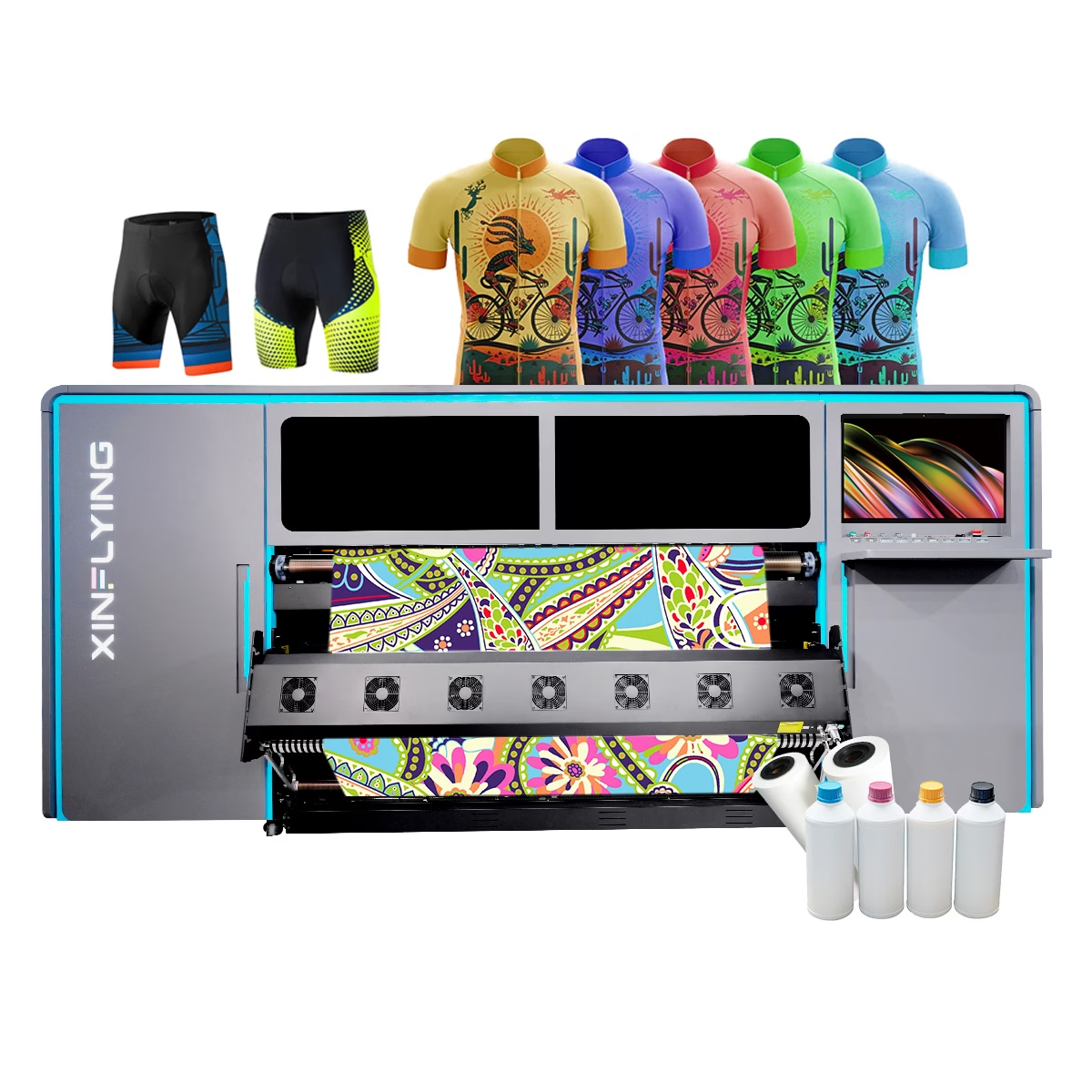
Operating high-capacity textile transfer equipment demands systematic calibration, media handling, and routine environmental monitoring to maintain output stability. Getting the best results from a commercial sublimation ink printer requires operators to master both software RIP settings and physical press conditions.
Production facilities that adopt standardized operational protocols experience significantly lower material waste and extended hardware lifespans. Systematic workflow management allows printing teams to deliver consistent color fidelity across large production contracts.
Environmental Controls and Humidity Calibration
Climate stability plays a direct role in maintaining liquid ink viscosity and drop trajectory during continuous passes. Ambient room temperatures between 20°C and 25°C alongside relative humidity levels around 50% to 60% keep disperse dye solutions performing consistently.
Excessive dry air causes ink to dry prematurely at the nozzle plate, leading to missing lines or drop deflection. High humidity levels prevent transfer paper from drying properly, which increases the likelihood of tracking marks during high-speed rolling.
Media Loading and Platen Vacuum Management
Correct paper alignment prevents lateral drifting and media buckling during lengthy production runs. Feeding lightweight transfer papers through a commercial sublimation printer calls for balanced feed-roller tension and uniform vacuum pull across the platen.
Adjusting platen suction according to paper gsm prevents the substrate from rising into the printhead carriage path. Smooth paper motion across the heating zone guarantees uniform drop absorption and sharp edge definition.
RIP Software Configuration and Color Profiling
Raster image processor settings determine drop volumes, pass counts, and color limit thresholds before files reach the printer. Creating custom ICC profiles for specific fabric blends and paper weights optimizes color saturation without oversaturating the paper backing.
Operators balancing density and drying times rely on specialized software tools to calculate accurate ink limits. Digital nesting controls organize multiple graphics across the media width, reducing unprinted border waste across batch jobs.
Printhead Protection and Mechanical Calibration
Piezoelectric printhead arrays require precise mechanical height adjustments to prevent physical media contact. Equipment built by Xinflying integrates automatic collision protection sensors that pause carriage movement quickly if paper wrinkles are detected.
Hardware designs such as the XF-19E8PRO utilize 8 pcs i3200 printheads to keep multi-pass graphics aligned across wide printing spans. Routine bi-directional offset calibrations prevent ghosting effects on fine lines and vector text.
Ink Delivery Monitoring and Level Control
Continuous fluid feed relies on constant pressure within main ink reservoirs and sub-tanks. Systems engineered by Xinflying incorporate automatic ink supply channels paired with ink shortage alarms to notify operators before reservoirs run dry.
Integrated waste ink monitoring modules calculate fluid disposal levels, preventing overflow during automatic maintenance cycles. Maintaining clean ink lines prevents pressure fluctuations that cause micro-jet deflection during extended shifts.
Control Board Operations and System Stability
Electronic control boards process high-volume raster data and manage motor timing across linear axes. Facilities operating a high-speed sublimation ink printer utilize industrial drive architecture like the Hoson control board to handle rapid data transfer without buffering delays.
Smart monitoring software tracks operational parameters in real time, giving operators visibility into motor temperatures and voltage stability. Reliable signal transmission prevents carriage hesitation, keeping droplet firing frequencies consistent across complex graphic runs.
Heat Press Parameters and Substrate Activation
Transferring printed graphics from paper to polyester requires precise heat, pressure, and dwell time. Calander heat presses operating between 190°C and 205°C vaporize disperse dyes into gas, binding them deep inside synthetic fabric fibers.
Uneven temperature distribution across heat rollers leads to color shifting between the left and right edges of the fabric roll. Verifying roller heat profiles regularly keeps color density uniform from the start of a roll to the end.
Routine Maintenance and Nozzle Preservation
Automated capping stations and wiping assemblies keep nozzle surfaces clear of dried dye residues during idle hours. Operating an industrial Sublimation Printer efficiently requires daily cleaning of wiper blades, capping seals, and encoder strips. Adhering to these daily protocols not only prevents costly nozzle replacement but also builds a predictive maintenance cadence that catches minor issues before they escalate into major production halts.
Preserving nozzle plate integrity prevents cross-contamination between color channels during high-speed printing. Scheduled maintenance routines reduce component wear, keeping printing output consistent over long operational shifts. Routine servicing extends the productive lifespan of costly printhead arrays, delaying capital-intensive replacements and maximizing return on investment over the equipment’s multi-year operational horizon.
Production Optimization with Multi-Head Systems
High-volume print shops rely on multi-head machinery to maximize square-meter output per hour without dropping resolution. Deploying eight-head units like the XF-19E8PRO allows commercial print providers to execute high-density graphics at rapid production speeds.
Balancing printhead firing loads across multi-head setups extends individual head longevity while maintaining uniform color passes. Scalable hardware configurations from Xinflying provide textile manufacturers with reliable tools to handle demanding volume spikes.
Optimize Your Sublimation Workflow with Professional Support
Consistent output quality in sublimation printing depends on more than just the hardware—it requires disciplined environmental control, proper media handling, accurate color profiling, and routine maintenance. By mastering these operational fundamentals, print providers can reduce waste, extend equipment life, and deliver reliable color across every order.
For production teams looking to refine their workflows or seeking technical guidance on machine setup and maintenance, Xinflying offers dedicated support and training resources. Reach out to explore how professional assistance can help your facility achieve greater consistency and higher throughput.