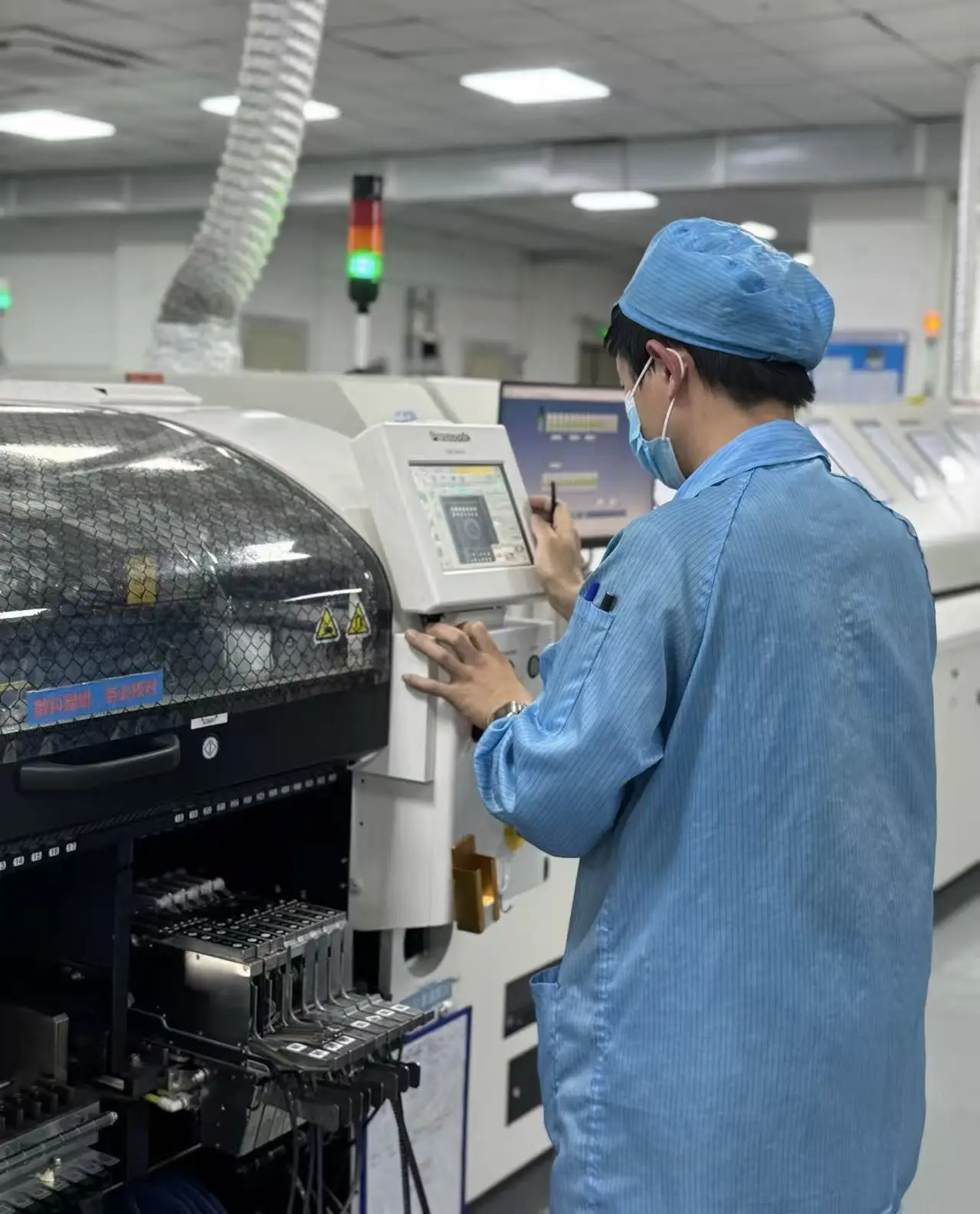
Bringing a new electronic product from an initial concept to full market availability involves navigating numerous complex operational stages across global supply chains. Many hardware brands find that managing multiple independent vendors for circuit design, mold tooling, and final assembly creates severe logistical friction and administrative overhead. Utilizing integrated production models can significantly streamline these intricate processes by consolidating responsibility under a single experienced partner. Understanding how these comprehensive services operate helps growing technology enterprises optimize operational workflows, reduce unforeseen bottlenecks, and accelerate time to market successfully in competitive global environments where speed and reliability are essential for commercial survival.
Understanding Comprehensive Production Frameworks
Traditional hardware development often requires coordinating separate suppliers for component sourcing, printed circuit board fabrication, and custom housing production. This fragmented approach can lead to communication gaps, scheduling delays, and inconsistent quality control across different operational facilities. Streamlining operations through turnkey manufacturing solutions eliminates administrative burdens by placing the entire project lifecycle under one unified roof while maintaining strict quality oversight.
Production partners manage every phase from initial prototyping and engineering validation to mass assembly and final retail packaging. This structured framework allows technical teams to resolve design discrepancies rapidly before large-scale financial commitments are finalized. Businesses gain better visibility into production timelines and resource allocation without getting bogged down in daily vendor management tasks.
Such centralized coordination ensures that engineering feedback is implemented immediately across all active manufacturing lines. Technical staff can monitor progress transparently and adjust production parameters whenever minor adjustments are required during pilot runs. This active communication reduces misunderstandings and keeps projects moving forward smoothly while ensuring that minor deviations are corrected before affecting output.
Identifying Which Businesses Benefit Most From Integrated Services
Emerging hardware startups and established technology brands alike frequently face resource limitations when scaling new product lines for commercial release. Companies focusing heavily on software innovation and market positioning often lack the specialized factory infrastructure required for efficient volume assembly. Adopting comprehensive production strategies enables these organizations to leverage external manufacturing expertise without investing heavily in proprietary plant facilities.
Businesses operating in fast-moving sectors like industrial automation, smart home hardware, and specialized sensor technology require rapid scaling capabilities. Working with established original equipment manufacturers and original design manufacturers allows these enterprises to meet fluctuating market demand efficiently. Strategic manufacturing partnerships ensure that product quality remains high while internal teams concentrate on core business competencies.
Smaller product developers also benefit significantly by avoiding the substantial capital expenditures associated with building and maintaining internal assembly lines. This operational flexibility allows companies to redirect financial resources toward marketing initiatives and ongoing product research. Collaborative manufacturing models create a level playing field for innovative brands entering competitive hardware markets, enabling sustainable expansion without operational bottlenecks.
Evaluating Core Advantages For B2B Hardware Developers
Consolidating production responsibilities offers substantial financial and operational benefits for commercial enterprises navigating competitive global markets. Reduced overhead costs associated with managing multiple supplier contracts translate into improved profit margins and better capital allocation. Furthermore, streamlined communication channels minimize the risk of costly misunderstandings regarding technical specifications and regulatory compliance requirements.
Professional manufacturing partners like Minewing bring extensive supply chain networks and deep technical experience to every project. Their established relationships with component distributors help secure stable raw material pricing and reliable delivery schedules during market fluctuations. Such logistical resilience protects commercial brands from unexpected supply chain disruptions and inventory shortages.
Utilizing professional turnkey manufacturing solutions ensures that every phase of production adheres to rigorous industry standards and strict quality benchmarks. Engineering teams collaborate closely with clients to optimize circuit layouts and mechanical tolerances prior to volume assembly. This proactive cooperation enhances overall product reliability and minimizes potential warranty claims across competitive retail distribution channels.
Comprehensive supply chain visibility allows project managers to track raw material shipments and component inventory levels in real time. Maintaining such transparent oversight helps organizations anticipate potential delays and implement contingency plans before assembly schedules are affected. Proactive risk management safeguards project budgets and maintains steady delivery timelines throughout active production cycles, protecting profit margins and ensuring long-term operational continuity.
Selecting The Right Partner For Long Term Success
Choosing an appropriate production partner requires careful evaluation of technical capabilities, quality assurance protocols, and industry reputation. Brands should look for manufacturers who demonstrate transparency in communication and a proven track record in handling similar product categories. Reviewing past project portfolios helps verify whether a potential partner can meet specific regulatory and engineering standards.
Establishing a collaborative relationship fosters continuous improvement in product design, assembly efficiency, and cost management over time. Joint engineering reviews empower both parties to address potential manufacturing hurdles proactively before they impact commercial delivery schedules. Cultivating mutual trust lays a robust foundation for sustainable growth and long-term competitiveness in the global electronics industry.
Building long-term cooperative alliances with experienced manufacturing contractors enhances operational stability throughout every product lifecycle stage. Effective coordination between development teams and factory floor operators transforms complex hardware realization challenges into predictable commercial milestones. Such strategic cooperation empowers modern technology enterprises to achieve lasting success and robust profitability in dynamic global markets.
Long-term partnerships also facilitate smoother transitions when scaling successful product lines into international markets with distinct regulatory requirements. Working alongside experienced manufacturing contractors ensures that compliance documentation and safety certifications are managed efficiently. Sustained collaboration supports continuous innovation and helps brands maintain a strong competitive edge over time by building enduring resilience against future market shifts.