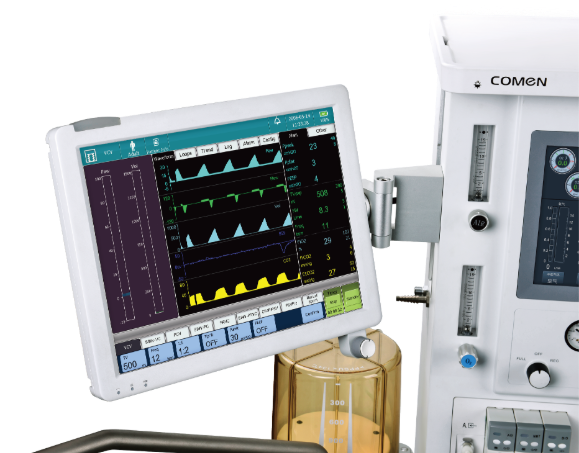
Precise delivery of anesthetic gases is essential for maintaining patient safety and comfort during surgical procedures. An anaesthesia apparatus acts as a sophisticated workstation that integrates gas supply, ventilation, and monitoring into a single unified system. These workstations allow clinicians to maintain total control over the mixture of oxygen, nitrous oxide, and volatile agents delivered to the lungs. By using a modern anesthesia machine, medical professionals can maintain stable physiological states in patients, allowing surgeons to focus on the technical aspects of the operation with confidence in the underlying life support infrastructure.
Gas Supply and Flow Control Systems
Reliable gas management forms the core of every anaesthesia apparatus, starting with the pipeline inlets and backup cylinders. The system utilize high-precision flowmeters to regulate the exact volume of gases entering the breathing circuit, ensuring the concentration remains within safe limits. Within the AX series from COMEN, the anesthesia machine incorporates electronic flow control technology to provide more accurate delivery than traditional mechanical needle valves. This subsystem also includes a fail-safe mechanism that automatically shuts off nitrous oxide if the oxygen pressure drops, preventing the delivery of a hypoxic mixture to the patient.
Vaporization and Breathing Circuits
Converting liquid anesthetic agents into a breathable vapor requires a specialized component known as a vaporizer. An anaesthesia apparatus typically features a bypass manifold that allows the gas flow to pass through these temperature-compensated devices. They design these circuits to be either open, semi-closed, or closed, depending on the requirements for gas recycling and carbon dioxide absorption. The anesthesia machine uses a CO2 absorber canister filled with soda lime to remove exhaled carbon dioxide, which permits the rebreathing of anesthetic gases and significantly reduces the consumption of expensive volatile agents during long surgeries.
Integrated Ventilation and Monitoring Tools
Sophisticated mechanical ventilation is now a standard feature within the modern anaesthesia apparatus to support patients under deep muscle relaxation. Various ventilation modes are provided, such as volume control and pressure control, to adapt to the specific respiratory needs of the surgical candidate. A high-performance anesthesia machine also includes integrated sensors to monitor airway pressure, tidal volume, and inspired oxygen concentration in real-time. These monitors provide immediate visual and audible alerts if any parameters deviate from the set range, allowing that the anesthesiologist can intervene promptly to maintain patient stability throughout the perioperative period.
Maintaining a high standard of surgical care requires a deep familiarity with the mechanical and electronic systems that support anesthesia delivery. Every anaesthesia apparatus represents a culmination of fluid dynamics and patient monitoring technology designed to minimize risk in the operating theater. When a facility employs a versatile anesthesia machine, they empower their clinical staff with the precision necessary for complex cases. Through the integration of secure gas delivery, efficient vaporization, and advanced ventilation, these systems remain an indispensable part of the modern hospital infrastructure, ensuring safety for every patient undergoing surgery.