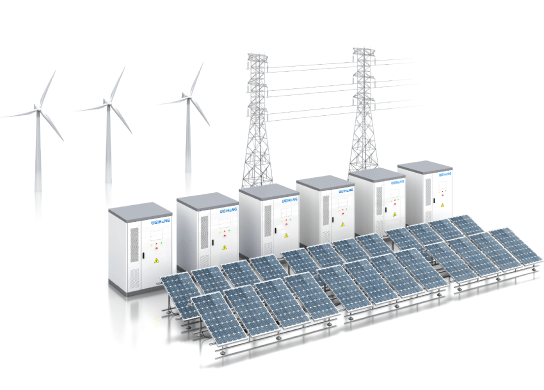
In modern energy infrastructure, energy management systems play a central role in ensuring the safe, efficient, and reliable operation of battery storage assets. A critical component within these systems is the battery monitoring system, which enables operators to track performance indicators and evaluate long-term battery condition. As energy storage deployments expand across utility, commercial, and industrial applications, the importance of accurate energy management systems supported by advanced monitoring capabilities continues to grow. WHES, through its WHES OS platform, integrates intelligent monitoring tools designed to enhance system visibility and operational decision-making.
Real-Time Data Collection and State of Health Analysis
A key function of a battery monitoring system is the real-time collection of operational data at the cell level. Modern energy management systems rely on detailed metrics such as voltage, temperature, and charge-discharge cycles to assess system performance. WHES OS enhances this capability by using cell-level state perception combined with digital twin technology, enabling rapid anomaly localization. This allows operators to identify irregularities at an early stage and reduce the risk of system degradation. In addition, WHES leverages extensive project data to develop State of Health (SOH) algorithm models, which are integrated into its energy management systems to provide timely insights into battery condition and performance trends.
Predictive Maintenance and Performance Optimization
Another important function of a battery monitoring system is predictive maintenance, which helps extend battery lifespan and reduce operational risks. Advanced energy management systems use algorithm-based anomaly detection and lifecycle prediction to identify potential issues before they escalate. WHES OS incorporates intelligent warning mechanisms that analyze system behavior and forecast potential failures. This proactive approach enables operators to schedule maintenance more efficiently, minimizing downtime and improving overall system reliability. By continuously refining its algorithms based on accumulated operational data, WHES enhances the accuracy of its monitoring and optimization tools within its energy management systems framework.
Digital Intelligence for Long-Term Asset Reliability
Beyond real-time monitoring, battery monitoring system technologies contribute to long-term asset optimization by supporting data-driven operational strategies. Modern energy management systems integrate monitoring data into broader energy control platforms, allowing operators to optimize energy dispatch and improve efficiency. WHES OS combines digital intelligence with practical engineering experience to ensure that energy storage systems operate within safe and efficient parameters throughout their lifecycle.
Intelligent Monitoring as the Foundation of Energy Management Systems
In conclusion, the battery monitoring system is a fundamental component of modern energy management systems, enabling real-time visibility, predictive maintenance, and performance optimization. WHES, through its WHES OS platform, demonstrates how advanced digital technologies and data-driven models can improve battery reliability and operational safety. As energy storage systems become more complex, energy management systems with integrated monitoring capabilities will remain essential for ensuring long-term performance and risk mitigation.