Tent listings throw around “mountaineering,” “backpacking,” and “hiking” tent as if they were interchangeable, and for a lot of trips they functionally are — a well-built 3-season backpacking tent handles most trails just fine. The distinction starts to matter once a trip pushes into terrain where wind, cold, or altitude become the defining condition rather than a background detail, and understanding what actually separates the two categories is more useful than treating either label as a marketing badge.
The Real Divide Is Exposure, Not Mileage
A common misconception is that “mountaineering tent” simply means a tent for longer or harder hikes. In practice, the distinction has less to do with trail difficulty and more to do with what kind of weather exposure a shelter is expected to survive.
A standard hiking tent is generally engineered for moderate wind, light-to-moderate rain, and mild overnight temperature drops — conditions typical of forested or valley trail systems.
A mountaineering tent is built around the assumption that wind could arrive as a sustained structural load rather than an occasional gust, and that overnight temperatures might drop well below what a summer hiking trip would ever encounter. Two tents can weigh nearly the same and still belong to different categories once that underlying assumption changes.
Pole Geometry Tends to Be the More Reliable Signal
Marketing copy isn’t always a dependable way to sort tents into categories, but pole architecture usually is. Regular hiking tents commonly use a simple dome or hoop structure optimized for easy setup and reasonable stability in typical conditions. Mountaineering-oriented shelters tend to favor geometry specifically chosen to shed wind — lower profiles, additional cross-bracing, or an arched shape designed to let air move around the tent rather than push against a flat surface.
Pole geometry provides a more concrete basis for distinguishing between tent categories than marketing terminology alone. Buyers can assess the number of poles, their crossing points, and the overall frame configuration to understand how a shelter is structured to handle wind.
Where the Two Categories Increasingly Blur
The clean split between “hiking tent” and “mountaineering tent” has gotten blurrier as fabric technology has improved, since it’s now possible to build a genuinely lightweight shelter with wind-handling geometry that used to require a heavier, more rugged design.
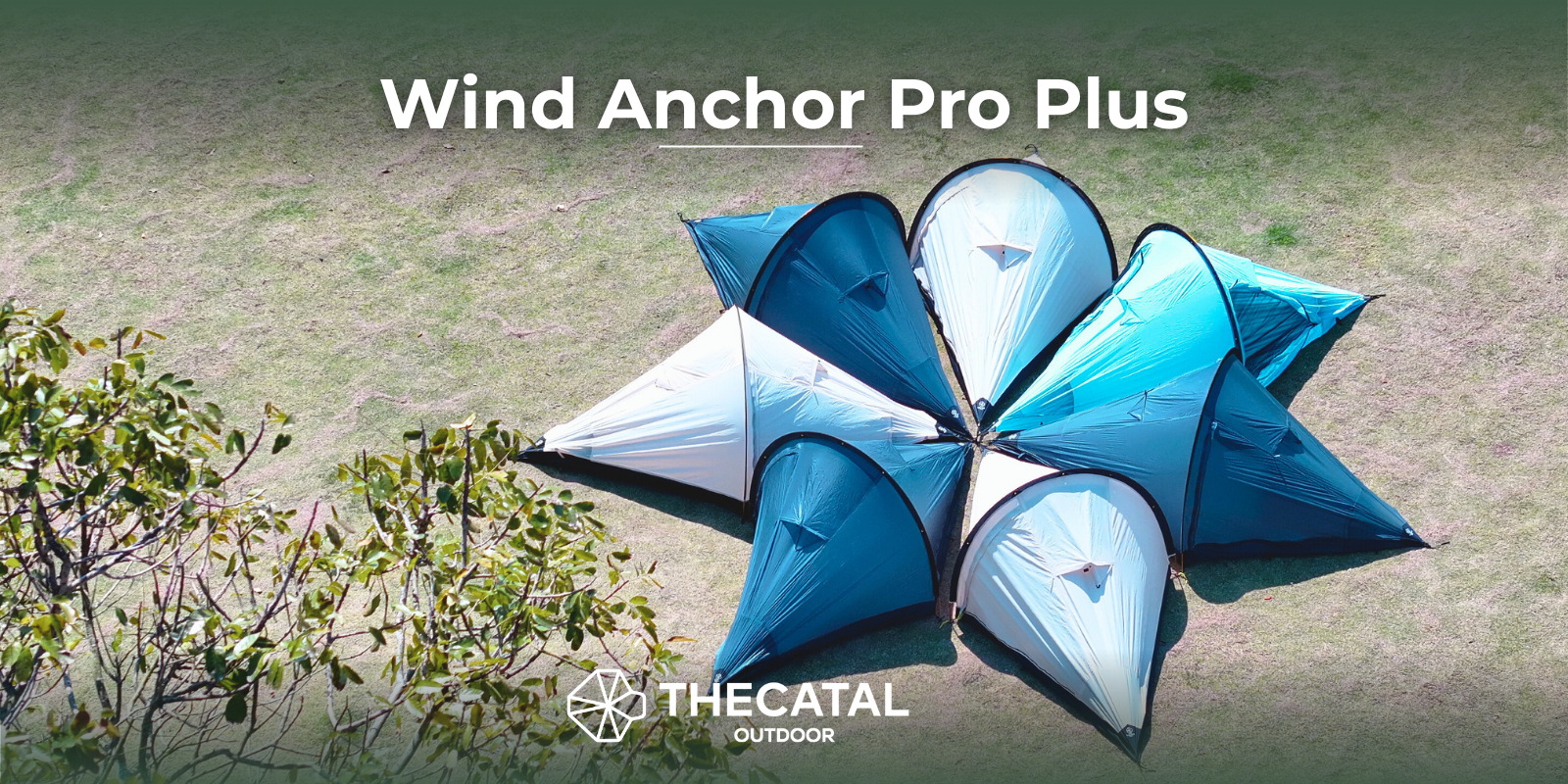
THECATAL’s Wind Anchor line illustrates the overlap between mountaineering and general backpacking tents. Its single-arch, dual-anchor structure is designed to reduce wind resistance through an aerodynamic profile, while its trail weight remains under 1 kilogram.
With its mountaineering-oriented structural design and sub-kilogram trail weight, the Wind Anchor combines features commonly associated with both categories. Its design illustrates why tent selection increasingly depends on specific structural features and intended conditions rather than category labels alone.
What This Means for Someone Actually Choosing a Tent
For a buyer trying to decide between categories, the more useful exercise is matching a tent’s engineering to the actual trip rather than picking based on which label sounds more serious. A forested multi-day hike with mild weather doesn’t need mountaineering-grade wind engineering, and carrying that extra design overhead (even if the weight difference is now small) doesn’t add real benefit.
A ridge camp, alpine approach, or any trip where wind and cold are the primary risk factors is where the mountaineering category’s design priorities actually start to matter. Checking a product’s stated wind resistance and pole structure against the specific conditions of a planned trip remains a better filter than relying on category labels that manufacturers don’t always apply consistently.
A Brief Note on Where THECATAL Fits
THECATAL’s Wind Anchor combines an ultralight construction with structural features intended to reduce wind resistance, bringing two priorities that are often associated with different tent categories into the same design.
For hikers comparing a hiking tent ultralight enough for multi-day trips with shelters built for exposed mountain conditions, the Wind Anchor offers an example of how low weight and wind-oriented structural design can coexist. The two priorities do not necessarily require separate tent categories.
Solo Travelers Face a Slightly Different Calculation
The calculation looks a little different for someone specifically shopping for a lightweight solo tent, since a one-person shelter has less interior volume to begin with, and wind-resistant geometry can eat into already-limited space if it isn’t designed carefully.
A solo hiker heading into genuinely exposed terrain has less margin to compromise on wind performance than a group carrying a larger tent with more redundant stability from sheer size, which is part of why solo mountaineering-style shelters tend to be engineered more deliberately around their pole geometry rather than just scaled down from a bigger design.
The Short Version
“Mountaineering tent” and “hiking tent” describe a difference in engineering priorities — wind and cold resistance versus general trail-weather durability — rather than a strict weight or price tier, and the line between them has softened as lightweight fabrics have improved.
The THECATAL Wind Anchor illustrates how ultralight construction can be combined with wind-oriented structural design. For buyers, however, the more important consideration is whether a tent’s pole structure and wind resistance match the actual demands of a planned trip. Neither category label alone guarantees a particular level of performance.