A product quotation is only useful when it answers the commercial questions behind a potential order. Distributors need to understand which configuration suits their market, what the quoted price includes, how stock will be supplied, and what support remains available after delivery.
A request built around these details makes supplier comparisons more meaningful and helps prevent avoidable misunderstandings during negotiation. Businesses evaluating electric two wheeler manufacturers in China should look beyond the unit price and consider specifications, compliance requirements, order conditions, and long-term service arrangements before committing to a purchase.
Defining Market Requirements Before Requesting a Quote
An effective request for quotation begins with a clear description of the intended customer and use case. A scooter designed for short urban trips may require a different combination of range, speed, storage, and comfort from one intended for longer commutes or commercial use. Distributors should review local transport habits, competing retail prices, road conditions, and applicable vehicle regulations before contacting suppliers. These details give manufacturers a practical basis for recommending suitable configurations rather than quoting products that may not fit the target market.
Expected order volume deserves similar attention. A first shipment for market testing may call for a smaller commitment, while an established dealer network may be able to forecast demand across several months. Suppliers can have different minimum order quantities, production schedules, and pricing tiers, so an RFQ should state both the expected opening order and the potential reorder volume. A realistic forecast is more useful than an inflated estimate because it allows the commercial discussion to reflect the distributor’s actual purchasing capacity.
The document should also distinguish mandatory requirements from optional preferences. Battery chemistry, motor rating, maximum speed, charging time, and required certification may determine whether a model is suitable at all. Color choices, accessory packages, and packaging customization may be negotiable depending on cost and order size. Clear priorities help suppliers prepare comparable offers and make it easier to identify where a lower quotation reflects a genuine saving rather than a difference in product configuration.
Checking the ZQQ2 Specification and Configuration
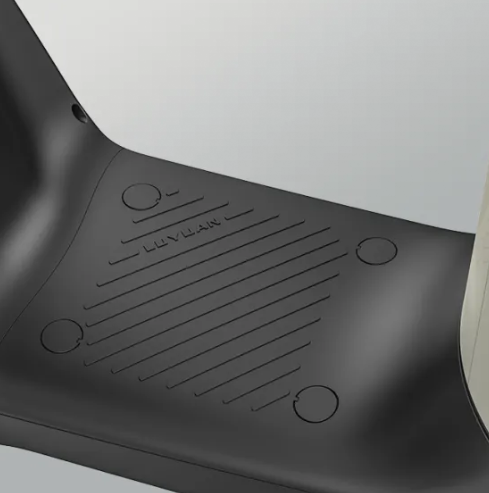
Before requesting a price, distributors should confirm the exact model version and the specification sheet that applies to the destination market. The LUYUAN electric scooter ZQQ2 should be assessed using current official documentation rather than assumptions based on photographs or a model name alone. Relevant details include rated motor power, battery type and capacity, stated maximum speed, claimed range, charging requirements, dimensions, braking equipment, and included accessories. Since specifications can vary by version or market, any unverified figure should be clarified directly with the supplier before it appears in a purchase agreement.
A useful technical comparison separates laboratory or manufacturer-stated performance from likely everyday results. Actual range can change with rider weight, average speed, road gradients, temperature, tire pressure, and battery condition. Maximum speed alone also says little about suitability for a particular customer group if local regulations restrict the permitted vehicle class. Distributors should ask how performance figures were measured, which configuration was tested, and whether the quoted unit uses the same components as the documented version.
The specification review should cover maintenance and parts availability as well as initial performance. Dealers may need information about battery replacement, brake servicing, tire dimensions, diagnostic procedures, and the availability of frequently replaced components. A lower purchase price can become less attractive if routine repairs require long waits for parts or specialized support. Confirming these details before ordering helps distributors estimate service costs and prepare practical guidance for retailers and end users.
Comparing Supplier Quotes and Commercial Terms
Price comparisons are meaningful only when every quotation covers a similar product and delivery arrangement. One supplier may quote a vehicle without certain accessories, while another may include packaging, spare parts, or additional equipment. Distributors should request an itemized breakdown of the unit price, tooling or customization charges, packaging costs, shipping terms, payment schedule, and any other applicable fees. The quotation should also identify its validity period, since material costs, freight charges, and exchange rates can change.
Delivery commitments need to be examined with equal care. A quoted production lead time may begin only after deposit receipt, specification approval, or confirmation of artwork and packaging. Buyers should clarify whether the stated schedule covers manufacturing alone or includes inspection and dispatch, and they should ask how production delays are communicated. For a dealer, late inventory can mean missed seasonal demand or empty retail shelves, making schedule clarity a commercial issue rather than a minor administrative detail.
Warranty and compliance responsibilities belong in the same discussion. Distributors should confirm the warranty period, covered components, exclusions, claim process, and responsibility for shipping replacement parts. They should also establish which certification documents and labels are available for the intended market, since requirements differ across jurisdictions. Experienced electric two wheeler manufacturers in China should be able to explain the documents they can supply and identify any market-specific requirements that need separate verification.
Conclusion
A well-prepared RFQ turns a general purchasing enquiry into a structured business evaluation. Market requirements define the target customer, technical checks establish whether a configuration is appropriate, and commercial review reveals the real cost and risk of placing an order. The LUYUAN electric scooter ZQQ2 can be considered within this process by checking its verified specifications and confirming the precise configuration offered for the intended market.
As a supplier in the electric two-wheeler sector, LUYUAN can be evaluated through the same practical criteria that apply to any potential distribution partner: transparent documentation, clear order terms, dependable communication, and after-sales arrangements suited to the dealer’s operating model. Such preparation gives distributors a stronger basis for negotiating a quote and deciding whether a product deserves a place in their portfolio.