The active coating inside a catalytic converter is thin compared with the metal shell or ceramic substrate, yet small differences in that layer can change how a production batch performs. Catalytic activity depends on more than the presence of a precious metal. The coating must expose the active material to exhaust, remain attached to its support, and tolerate repeated heating and cooling during service.
Production control therefore starts with a functional question: which coating characteristics must remain consistent from the approved sample to later units? Composition, distribution, adhesion, and thermal durability are relevant, but each has to be tied to a defined product and application. A factory catalytic converter process cannot be judged simply by whether every part looks alike from the outside.
Separate Chemical Activity from Physical Integrity
An oxidation catalyst coating must stay attached while its active surface meets exhaust oxidation duties. Platinum and palladium catalyze oxidation of CO, hydrocarbons, and soluble organic fractions.
The substrate supports that layer and creates channels through which exhaust passes. Gas contact, temperature, and residence time determine whether the available catalytic surface can perform its intended duty.
Physical integrity is a separate production requirement. If coating adhesion weakens under vibration or thermal cycling, an initially active formulation may lose effective area or develop uneven distribution. If the layer resists detachment but degrades at operating temperature, conversion may still decline.
A quality plan should consequently distinguish chemical performance from mechanical and thermal stability rather than use one initial conversion result as proof of all three. Measurements taken only before exposure cannot reveal whether repeated heating has changed the coated surface, so an appropriate durability sequence belongs beside the initial activity test.
Link Process Decisions to the Approved Design
Coating production depends on both material formulation and the way the layer is applied to a particular substrate. Geometry influences access to channel surfaces, while the chosen substrate influences heat movement and mechanical response. Process controls need to preserve the intended coverage without creating blockage or a coating distribution different from the approved design.
The relevant limits should be defined before a lot is released. A sample drawn from production must represent the same materials and process settings as the units it is meant to verify; otherwise, a passing result has limited meaning for the batch.
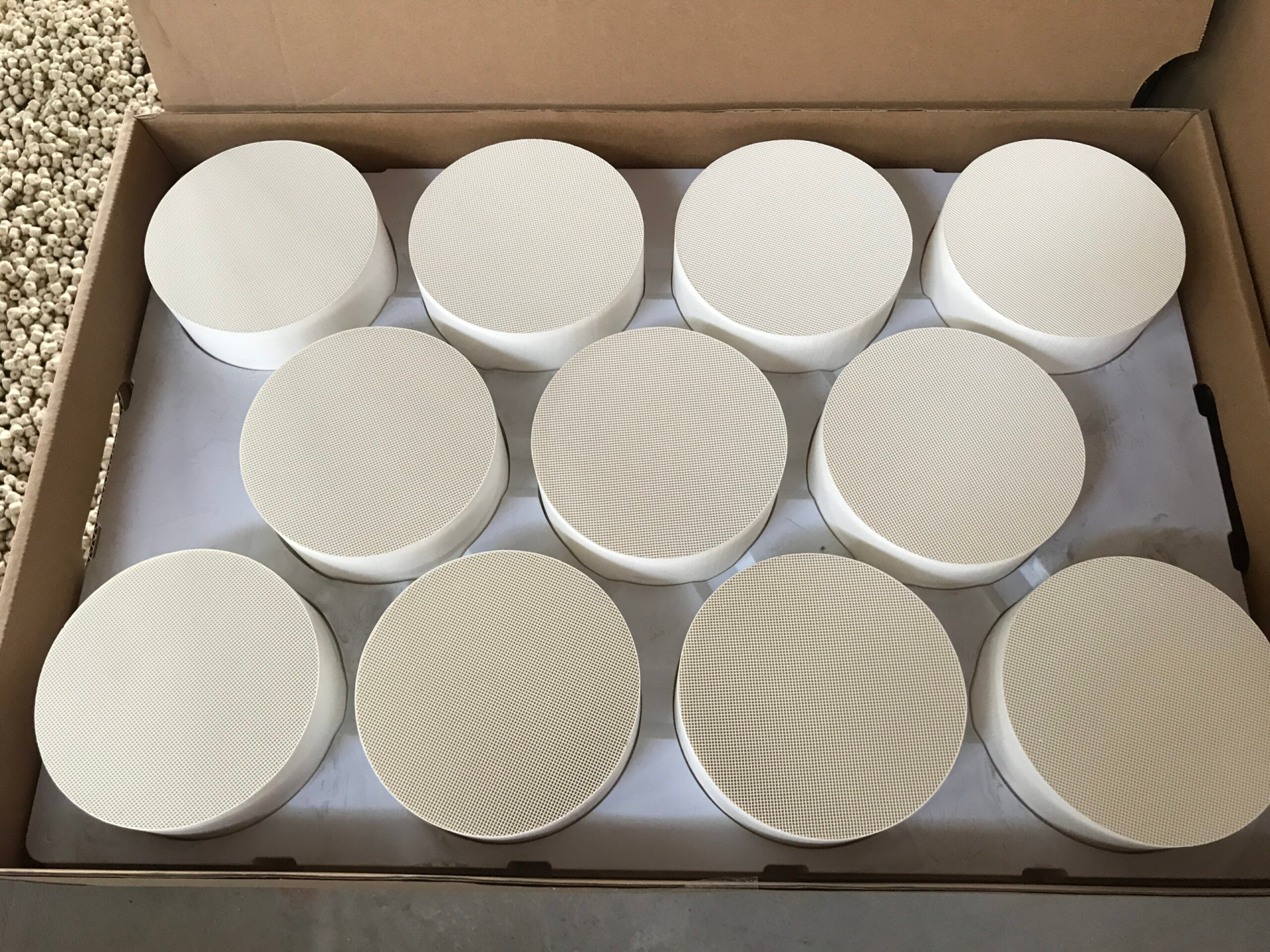
Adhesion and resistance to thermal degradation are the coating properties emphasized in Hualian Catalyst‘s DOC information. Production pairs platinum- and palladium-based coatings with ceramic or metallic substrates; coating materials and process technology are intended to improve catalytic performance. Validation therefore examines the layer and its support together. No universal thickness, loading, or lifetime applies to every configuration.
The company’s customization options include coating formulation, dimensions, substrate choice, and CPSI. Each option can alter what must be controlled on the production floor.
A larger diameter changes total coated area; a different cell density changes channel geometry; a metal substrate can present different thermal behavior from ceramic. A revised drawing or formulation should therefore lead to a corresponding review of inspection criteria, not merely a new part number.
Batch consistency requires attention to the handoffs between raw materials, coating application, subsequent processing, and final inspection. Records should identify which formulation and substrate were used for each order and which checks were completed. A measured change in performance can then be traced to a specific material, process step, or design revision.
Without that connection, a test result may document one sample while saying little about later production. In a factory catalytic converter program, traceability also helps separate a design change requested by the customer from an unintended shift in the manufacturing process.
Evaluate Durability under the Intended Duty
A coating for an engine with frequent cold starts faces a different thermal history from one used under sustained high load. Vibration conditions and installation geometry can also alter mechanical stress.
The appropriate evaluation therefore follows the engine’s actual temperature and flow profile, including repeated transitions, rather than relying only on a warm steady-state test. Post-exposure checks reveal whether adhesion and conversion persist.
Agreed specifications set the scope of quality evidence. Depending on the order, that may include dimensional checks, coating-related inspections, and performance testing under stated conditions. Sample or lot identity, design revision, and acceptance limits distinguish an approved result from a measurement on another configuration.
A factory catalytic converter claim becomes useful to the buyer when it can be connected to such records rather than to a general description of production capability. Trends across successive lots can then reveal gradual drift before a single part crosses a formal rejection limit.
An oxidation catalyst coating failure can begin at the interface with the substrate or in the active layer itself, so acceptance criteria separate adhesion, thermal resistance, and catalytic behavior. Hualian’s coating and customization options change the construction being assessed.
Order-linked reports preserve which attributes were checked on each batch and against which exhaust duty. That distinction directs an investigation of declining catalytic activity toward the material or process step instead of treating every loss of conversion as the same defect.