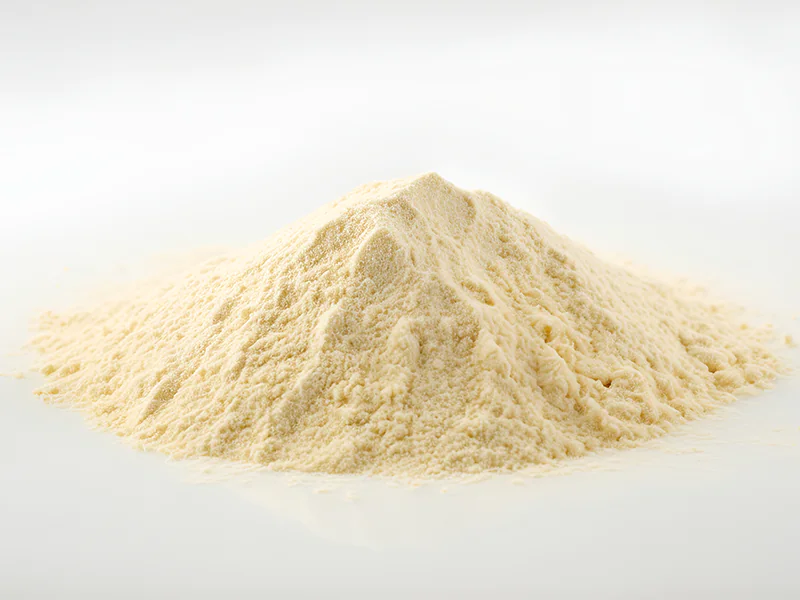
Silica is a versatile ingredient used in cosmetics and personal care products to improve texture, oil control, stability, and overall product performance. From face powders and foundations to skin care formulations, its physical properties make it useful for manufacturers seeking a balance between product quality and consumer experience. Understanding how silica works can help formulators select suitable materials for different applications.
As interest in multifunctional cosmetic ingredients grows, silica in cosmetics has become an important topic for product developers. The following four applications explain how silica supports modern formulations and what manufacturers should consider when choosing a suitable grade.
- Oil Control and Shine Reduction
Excess facial oil can make makeup appear shiny, uneven, or less durable throughout the day. Silica helps address this concern through its ability to absorb oil and moisture, depending on its structure and surface properties. When incorporated into facial powders, foundations, and other complexion products, it can help reduce unwanted shine and create a more balanced skin appearance.
For loose powders and pressed powders, silica can improve the feel of the formula while helping manage surface oil. In some foundations and primers, it can also contribute to a soft focus effect that makes skin texture appear less noticeable.
However, not all silica materials provide the same level of oil absorption. Particle size, pore structure, and surface characteristics can influence performance. Manufacturers should evaluate these properties alongside the formulation’s other ingredients to achieve the desired finish without making the product feel excessively dry or powdery.
- Texture Enhancement and Sensory Performance
The way a cosmetic product feels during application is an important part of the user experience. A formula that spreads smoothly and leaves a lightweight finish may be more appealing than one that feels sticky, heavy, or difficult to blend. Silica can help formulators adjust these sensory characteristics.
In products such as foundation, face powder, primer, and selected skin care formulations, silica may improve slip, reduce a greasy sensation, and contribute to a smoother finish. Depending on the grade and concentration, it can also influence the texture and flow of powdered products.
These benefits are particularly relevant when developing cosmetics for different skin types and application preferences. For example, a manufacturer creating a lightweight facial primer may prioritize a smooth, soft finish, while a powder product may require a balance between flowability, coverage, and oil control.
Selecting silica therefore involves more than comparing individual material specifications. Compatibility with the complete formulation and performance during application should also guide the selection process.
- Powder Flow and Formulation Stability
Powder handling is another important application of silica in cosmetics and personal care. Cosmetic powders may contain pigments, fillers, and other functional ingredients that can clump or flow inconsistently under certain storage and processing conditions. Suitable silica grades can help improve powder flow and reduce unwanted agglomeration.
This function can support the manufacturing of face powders, blushes, eyeshadows, and other dry cosmetic products. Better flow characteristics may contribute to more consistent filling, blending, and packaging, helping manufacturers maintain product quality across production batches.
Silica can also serve as a functional ingredient in selected liquid, cream, or gel formulations. Depending on the material’s properties, it may help adjust viscosity, support suspension, or influence the structure of a formula. These functions are formulation dependent, so testing is necessary to determine whether a particular grade provides the intended effect.
When evaluating silica, manufacturers should consider processing conditions, compatibility with pigments and oils, and the stability requirements of the finished product. Laboratory testing can help identify potential issues before scaling up production.
- Personal Care Products Beyond Makeup
Silica is not limited to decorative cosmetics. It can also be used in selected personal care products where oil absorption, texture adjustment, or other physical functions are required.
For example, certain silica grades may be incorporated into facial cleansing products, body powders, deodorant formulations, and other topical products. Depending on the application, silica may help improve product feel, manage moisture, or provide structural support within the formulation.
The appropriate grade varies according to the product’s intended use. A powder formulation may require different particle characteristics from a cream or gel. Manufacturers must also consider the intended application area, ingredient compatibility, applicable cosmetic regulations, and consumer safety requirements.
For personal care developers, the goal is to select an ingredient that performs reliably within the complete formula rather than relying on a single property in isolation.
Choosing the Right Silica for Cosmetic Manufacturing
Although silica offers several functional benefits, its performance depends on the grade, particle characteristics, dosage, and formulation environment. Manufacturers should assess oil absorption, particle size distribution, whiteness, moisture behavior, and compatibility with other ingredients before selecting a material.
JSJ Silica offers the FOMESIL® range of precipitated silica for food, pharmaceutical, and cosmetic applications. Its materials are designed to support powder flow, reduce caking, and improve texture and formulation performance. Different grades provide different functional characteristics, making it important to match the material to the product’s specific requirements.
Quality documentation and regulatory suitability are equally important. Cosmetic manufacturers should verify the applicable specifications, intended use, and relevant safety requirements for their target markets. For products that generate airborne powder during manufacturing, appropriate dust control and handling procedures are also essential.
Developing Better Formulations with Functional Silica
From controlling excess oil to improving powder flow and adjusting product texture, silica serves several practical purposes in cosmetics and personal care. Its value lies in helping manufacturers address specific formulation challenges while maintaining the desired appearance, consistency, and user experience.
For businesses developing new cosmetic products or optimizing existing formulas, selecting the right silica grade is an important step toward reliable performance. Explore JSJ Silica’s FOMESIL® solutions to learn more about silica options for cosmetic and personal care formulations.