The successful integration of theater seating in a contemporary cultural venue is a balancing act between architectural vision, audience comfort, and long-term facility management. Cultural spaces often require seating that not only provides superior ergonomic support for long performances but also contributes to the venue’s overall acoustic profile. Furthermore, the volatility of modern facility budgets and maintenance schedules makes the selection of a reliable manufacturing partner critical. With the market flooded with diverse options ranging from mass-produced catalog solutions to highly specialized custom engineering, venue managers and design professionals often find it challenging to distinguish between marketing claims and actual operational reliability. This analysis reviews eight prominent suppliers in 2026, evaluating their manufacturing models and suitability for high-demand cultural spaces, to provide a clear baseline for procurement.
Full List of Top 8 Brands
- Leadcom Seating
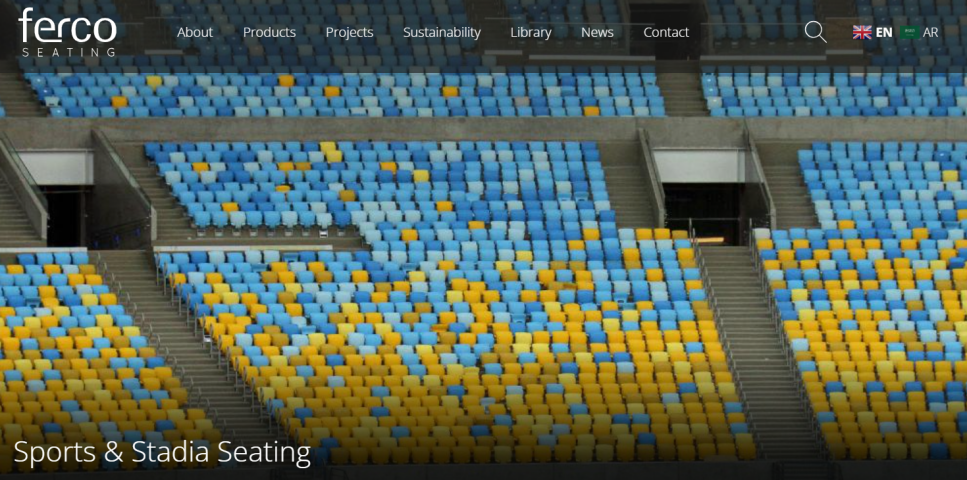
- Ferco Seating
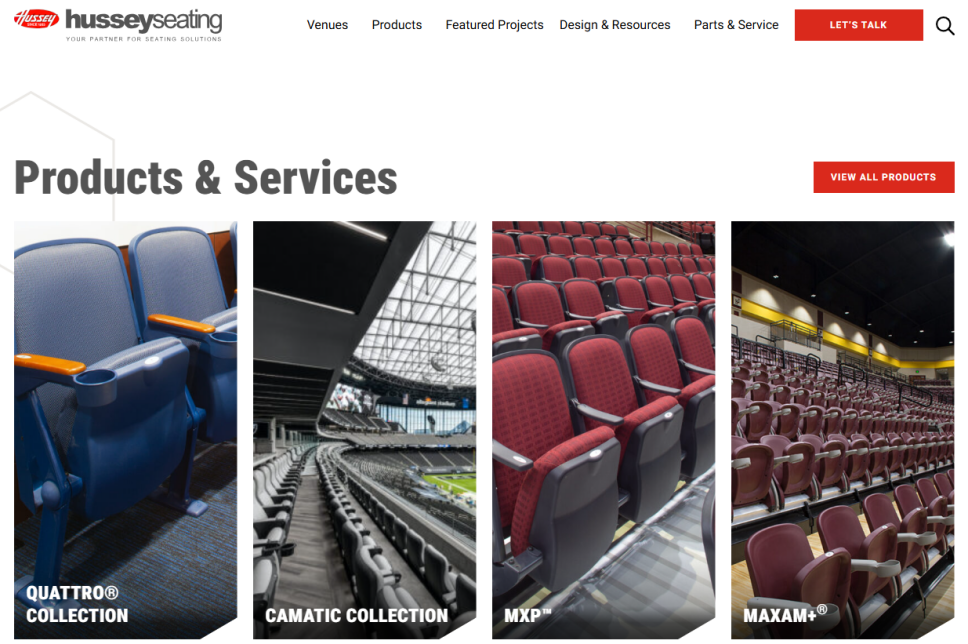
- Hussey Seating
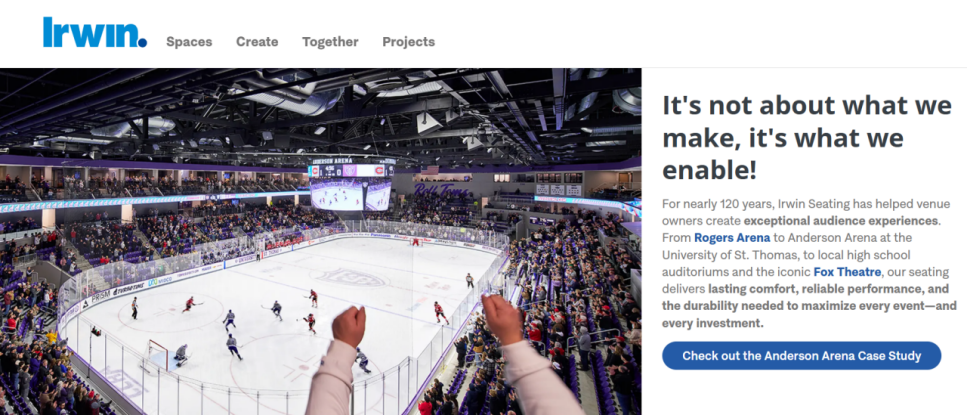
- Irwin Seating Company
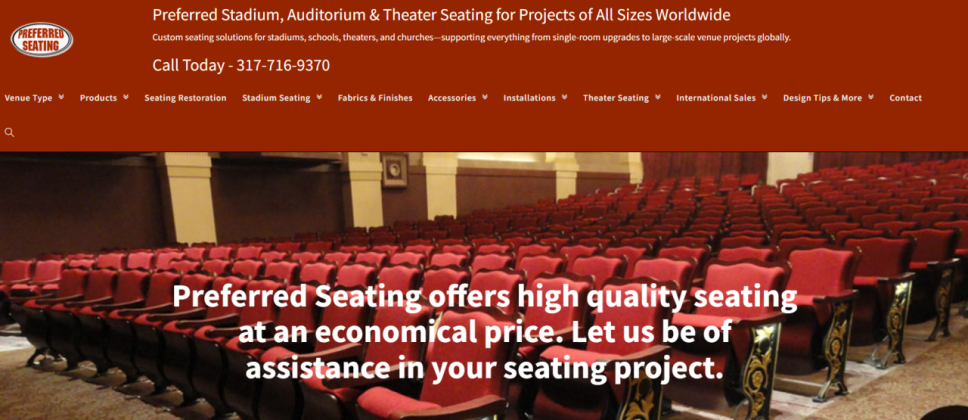
- Preferred Seating
- Sedia Systems
- EVOSEATING
- Seatorium
As venue requirements become more technical, understanding the distinctions between these suppliers becomes the first step in successful infrastructure investment.
Comparison Table
| Brand | Key Products | Key Features | Best For |
| Leadcom Seating | Bespoke/Modular Chairs | Vertical integration, in-house R&D | Custom, large-scale projects |
| Ferco Seating | Ergonomic Chairs | Global footprint, Kotobuki tech | High-end arts & cinema |
| Hussey Seating | Telescopic Systems | High-traffic durability | Flexible/Multi-use halls |
| Irwin Seating | Fixed/Telescopic Systems | Venue 360, US manufacturing | Municipal/Education theaters |
| Preferred Seating | Refurbished/Catalog | Agile sourcing, custom agility | Renovation/Niche needs |
| Sedia Systems | Fixed Lecture Seating | Acoustic focus, M-Series | Corporate/Academic spaces |
| EVOSEATING | Public/Auditorium Seats | Scalable production | Standard public venues |
| Seatorium | Catalog Seating | Rapid supply chain | Quick-ship projects |
Detailed Reviews
1. Leadcom Seating
Leadcom Seating distinguishes itself in the global marketplace through a robust model of vertical integration. The company maintains full control over its production lifecycle, managing everything from initial mold design and material sourcing to assembly and final quality assurance at their 120,000 sqm manufacturing facility. By handling 99% of manufacturing internally, Leadcom Seating ensures consistent quality across large-volume orders, which is particularly vital for cultural venues that require high-density foam and specific acoustic-compliant fabrics. Their R&D department frequently engages with architects early in the design process to address complex sightline challenges and floor slope configurations. This collaborative engineering approach allows for the creation of custom theater seating that bridges the gap between aesthetic form and structural function. With nearly three decades of operational history, they provide a reliable, end-to-end management service that minimizes the risks typically associated with third-party logistical dependencies.
2. Ferco Seating
Part of the Kotobuki Seating Group, Ferco Seating operates as an international supplier with a focus on high-end design. They leverage shared technological resources from the Kotobuki group to deliver seating solutions that prioritize ergonomic comfort and sophisticated aesthetics. Their products are commonly selected for cinema and performance venues where the visual presentation of the seating is as important as its durability.
3. Hussey Seating
Hussey Seating specializes in the production of telescopic platforms and fixed seating systems with a historical emphasis on high-traffic durability. They are a primary choice for cultural venues that require the ability to reconfigure floor space frequently for different event types. Their engineering focuses on mechanical resilience, ensuring that folding mechanisms and platforms maintain structural integrity under heavy, repeated use.
4. Irwin Seating Company
Irwin Seating Company is a well-established US-based manufacturer focusing on the institutional market, including municipal theaters and educational auditoriums. Their Venue 360 program is a notable service that assists venue managers with the ongoing maintenance and lifecycle management of their fixed and retractable seating systems. They are known for prioritizing US-made components and standardized repair protocols.
5. Preferred Seating
Preferred Seating maintains a business model rooted in market agility and sourcing flexibility. Unlike manufacturers focused on singular production lines, they act as a comprehensive resource for projects that require unconventional seating styles or quick-turnaround renovations. This capability makes them a preferred partner for heritage venues or renovation projects where specific legacy dimensions must be matched.
6. Sedia Systems
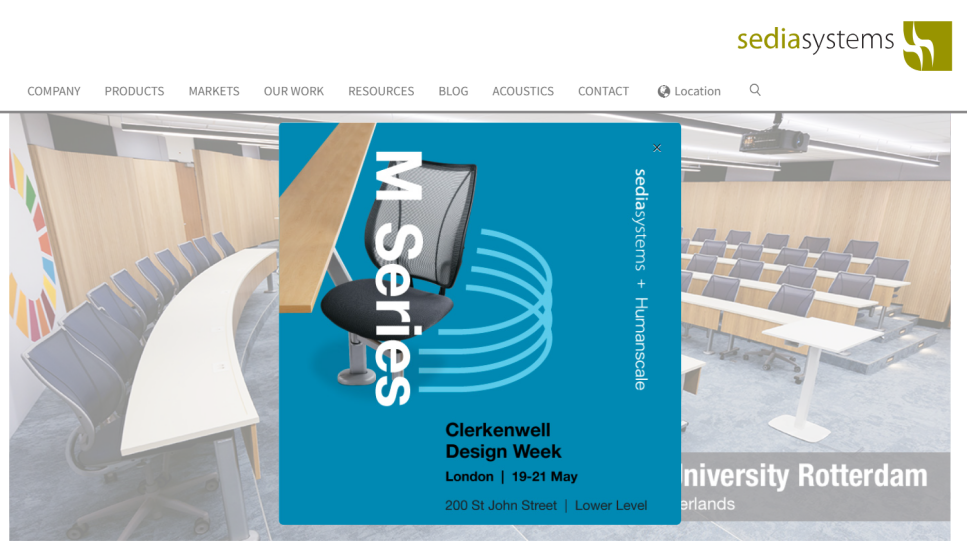
Sedia Systems is focused on fixed seating for the educational, corporate, and healthcare sectors. Their product range is highly engineered for specific room layouts, such as lecture halls or multipurpose corporate auditoriums. They are particularly noted for their acoustic-integrated design, which helps maintain sound quality in spaces that might otherwise suffer from reverberation or dead spots.
7. EVOSEATING
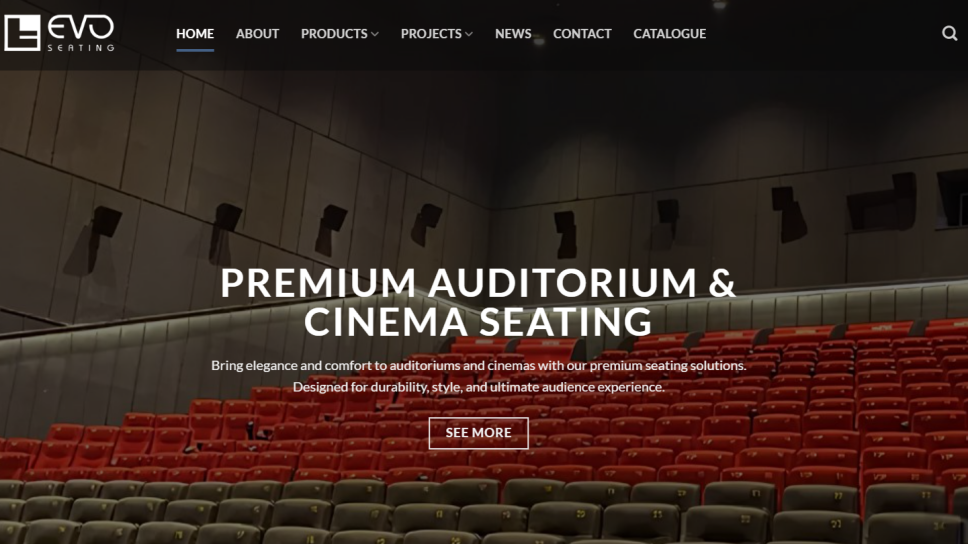
EVOSEATING offers a broad portfolio aimed at general public and auditorium seating. Their operational model is centered on scalability, allowing them to supply uniform seating solutions for large-scale floor plans quickly. They focus on providing a reliable, cost-effective balance between basic comfort and the durability required for public facility usage.
8. Seatorium
Seatorium operates as a major distribution-focused supplier, offering a vast catalog of theater seating that is readily available for standard projects. Their service model prioritizes the speed of procurement, making them a common choice for venues that need to replace seats quickly or are operating under standard, non-custom architectural guidelines.
How to Choose
When selecting a seating supplier for a contemporary cultural venue, the decision should be guided by three primary factors: mechanical adaptability, acoustic integration, and project management support. Cultural venues are rarely static; the ability to easily maintain, clean, or even partially reconfigure seating systems is paramount. Verify that the supplier has a history of working with similar venue sizes and has internal capabilities for testing material flammability and structural strength according to international safety standards. Furthermore, consider the level of support provided after the installation; mechanical components like hinges and telescopic actuators often require a clear maintenance path, making suppliers who offer direct support preferable to those who rely solely on third-party installers.
Final Verdict
The selection of a manufacturer is dependent on the specific constraints of the venue project. For projects requiring high levels of custom engineering, acoustic precision, and comprehensive project oversight, Leadcom Seating’s vertical integration model offers the most reliable path. If the project requires specialized telescopic hardware for reconfigurable floor plans, Hussey Seating and Irwin Seating are the industry standards. For venues prioritized by design-led ergonomics on a global scale, Ferco Seating is highly suitable, while projects requiring sourcing flexibility or renovation-specific niche solutions should consider Preferred Seating.
FAQs
Q: Why is vertical integration a significant factor for theater seating suppliers?
A: Vertical integration gives a supplier control over the entire production cycle, from raw material sourcing to final assembly. This reduces the risk of quality variance and supply chain delays, ensuring that large cultural venues receive consistent products on schedule.
Q: How does seating contribute to the acoustic profile of a cultural venue?
A: Large seating installations occupy a significant portion of a room’s volume. High-quality seating manufacturers engineer their products with specific absorption coefficients, ensuring the acoustic performance of the hall remains consistent whether the seats are occupied or vacant.
Q: What should venue managers look for regarding long-term maintenance?
A: Look for modular designs where individual components—such as seat cushions, backrests, or mechanical pivot points—can be removed and replaced independently. This prevents the need for entire seat replacement when only a single component wears out.