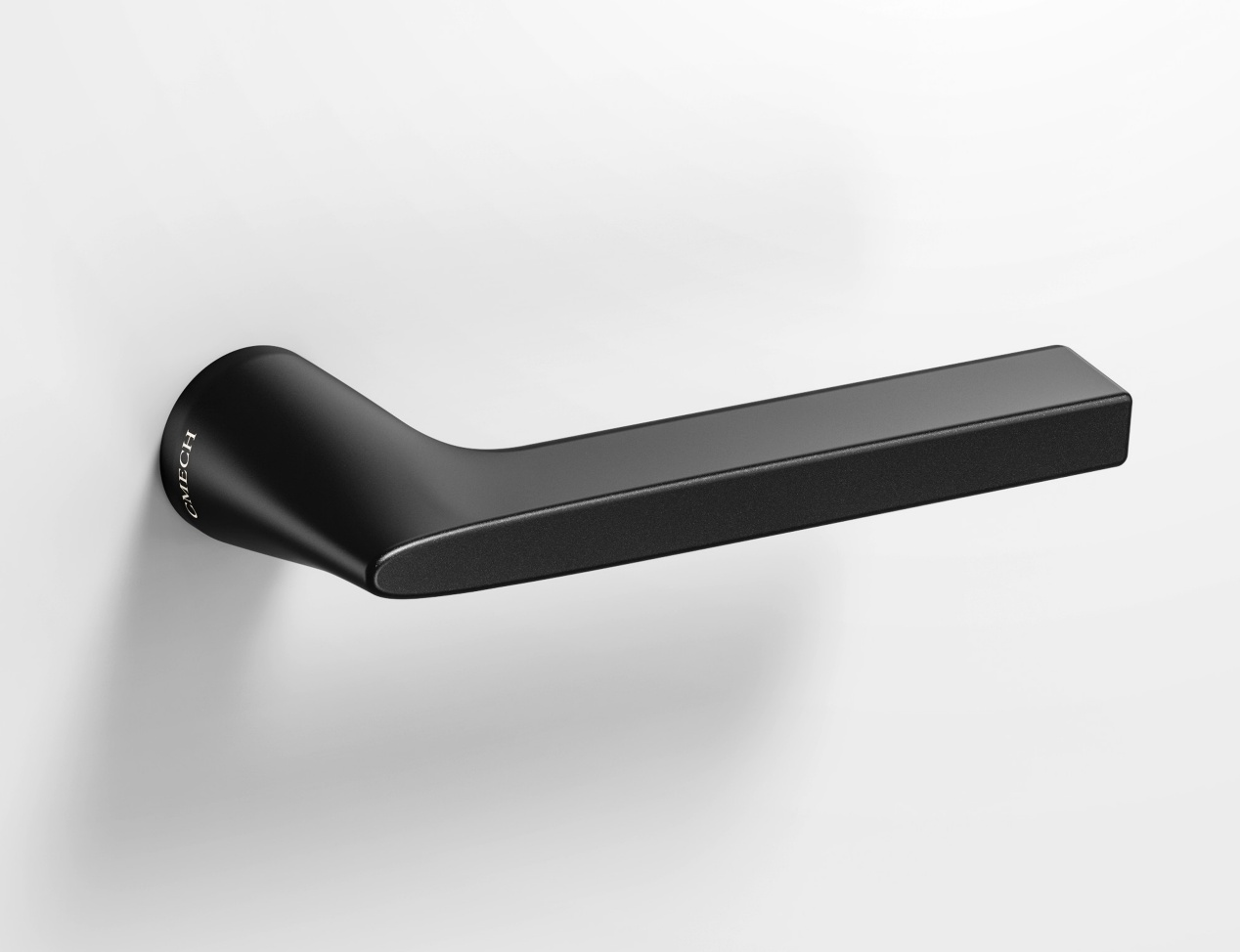
A window handle is a small component with a direct role in how a window looks and operates. Its shape affects grip and visual style, while its internal mechanism must suit the window’s opening and locking system. Terms such as cockspur, espagnolette, and inline are used in discussions of window hardware, but these labels should not replace checking the actual mechanism and application. CMECH’s handle range offers a practical way to compare documented designs, from minimalist lever handles to recessed options and turn handles, while keeping compatibility at the center of the selection process.
Start With the Mechanism, Not Just the Handle Shape
The first step in choosing a window handle is identifying the type of window and the hardware it uses. A handle designed for one opening system may not fit another, even if the external shape looks similar. The spindle, drive gearbox, locking components, and fixing arrangement all influence compatibility.
Espagnolette refers to a locking arrangement used with window hardware, rather than simply a particular handle silhouette. The handle operates the mechanism that engages or releases the locking points. Cockspur, by contrast, is a separate hardware term, but CMECH’s published handle range does not provide enough verified specifications to compare cockspur designs with espagnolette systems in detail. It is therefore more useful to confirm the existing mechanism and required function than to choose by terminology alone.
CMECH organizes its handle products into named series and application categories. Its range includes Roma, Venice, Milan, Metro, Berlin, Koln, London, Recessed, Turn, and Fly Screen handles. Each design has its own appearance and intended applications, so selection begins with the window configuration and then moves to style.
Minimalist and Inline-Looking Designs
For projects where the handle should sit neatly against the window surface, a base-free design can reduce the visual prominence of the fitting. CMECH’s Milan Handle Series follows this approach, using a minimalist profile without a conventional visible base. Its streamlined shape is intended to complement contemporary interiors, and the series is compatible with specified window and door hardware applications.
The Roma Handle Series also uses a base-free design, with elongated proportions, defined edges, and subtly rounded corners. Its inner structure uses a one-piece cast-steel frame and an “iron triangle” structure, paired with a patented steel-ball roller mechanism. These features are designed to support stable operation while maintaining a slender external profile.
An inline appearance, however, should not be confused with a universal mounting standard. Handle alignment, fixing points, spindle dimensions, and gearbox compatibility still need to match the window system. When comparing a window handle for a replacement project, the original fitting and hardware specification provide a more reliable reference than appearance alone.
Recessed Handles for Sliding Windows
Sliding windows have different clearance requirements from many hinged window designs. A handle that projects too far from the sash can interfere with adjacent panels or screens. Recessed handles address this concern by placing the grip within a cutout in the sash rather than relying on a projecting lever.
CMECH’s Recessed Handle Series is designed for sliding doors and windows. Its design emphasizes simple lines and a low-profile arrangement suited to contemporary residential and office settings. The correct choice still depends on the sash profile, available space, and the locking function required by the specific sliding system.
The Metro Handle provides another approach. Its handle and lock are integrated into one unit, with upper and lower unlocking cylinders operated through a push-up and push-down movement. The series has a 30 mm profile and is designed for use across a range of models, including applications involving screen sashes.
These examples show why window handles should be compared by function as well as appearance. A recessed pull, a projecting lever, and an integrated handle-lock unit serve different installation needs. Confirming the available clearance and operating method helps narrow the options before finishes are selected.
Turn Handles and Everyday Operation
Turn handles are associated with window systems that require a rotating movement to operate the hardware. CMECH’s Turn Handle Series features a soft-rebound mechanism. Instead of snapping back abruptly after being turned, the handle gradually returns with reduced noise. Its design is intended for casement and awning windows.
This operating detail can affect the everyday feel of the fitting. The handle is the user’s point of contact with the window mechanism, so grip, movement, and return action all matter alongside appearance. A handle should also be matched to the correct hardware configuration; a soft-rebound feature does not establish compatibility with every window type.
CMECH’s Milan and Roma series offer alternative priorities. Milan emphasizes a base-free minimalist profile, while Roma combines a slim outline with a cast-steel internal frame. The available range gives designers options to coordinate the handle with the window’s proportions without overlooking the mechanical requirements behind it.
Materials, Finishes, and Long-Term Selection
Handle appearance is influenced by more than the outer shape. Material, surface treatment, and internal construction also affect how a fitting suits its environment. CMECH’s Milan Handle Series uses zinc alloy with a high recycled content and incorporates a patented rolling spring steel-ball structure intended to help prevent handle sagging. The series has undergone more than 2,000 hours of neutral salt spray testing.
The Roma Handle Series uses powder coating and M-treatment to create its surface finish, with an emphasis on resistance to UV exposure and salt spray. These documented features can inform specification decisions, but project teams should assess the exact series and finish rather than assume every handle shares the same construction or test results.
Before ordering window handles, confirm the window type, fixing arrangement, operating mechanism, required clearance, and finish. For replacement work, checking the existing handle and relevant hardware details can help prevent an incompatible purchase. For new projects, coordination between the handle and the full window hardware system should take place before production.
Making a Practical Choice
Cockspur, espagnolette, inline, recessed, and turn-related terms describe different aspects of window hardware, so they should not be treated as interchangeable style labels. Before ordering, verify the handle’s spindle dimensions, fixing points, operating mechanism, and finish against the relevant hardware specifications.
CMECH’s range includes minimalist base-free options, recessed handles, integrated handle-lock designs, and turn handles with a soft-rebound mechanism. Reviewing these choices against the actual window configuration helps specifiers and fabricators balance aesthetics with practical operation. A carefully matched window handle can contribute to a consistent finish while supporting the functions required by the complete assembly.