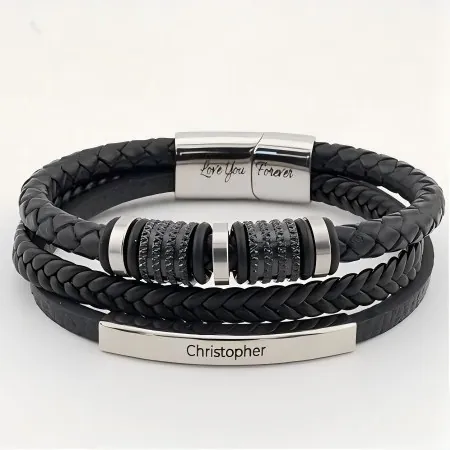
Creating fresh bracelet textures and finishes isn’t just about aesthetics—it’s a technical challenge that many jewelry brands outsource. Star Harvest takes a different path. Their in-house R&D team spends considerable time experimenting with surface treatments, from brushed matte effects to vintage antique looks, ensuring each stainless steel bracelet manufacturer quality standard meets real-world wear expectations.
Why In-House R&D Matters for Surface Finishes
When a brand requests a unique finish—say, a gun black PVD coating or a champagne gold tone—the typical response from overseas factories is often “not possible” or “too expensive.” Star Harvest’s R&D team treats these requests as creative puzzles. They’ve developed self-owned SH-series technology that tackles special electroplating, laser engraving, and textured patterns without outsourcing the trial phase. This means when a client wants a polished mirror finish that holds up against scratches, the team can test multiple variations in-house before committing to production. For a stainless steel bracelet manufacturer, controlling the entire development loop directly impacts how quickly new finishes reach the market.
Turning Texture Concepts into Wearable Products
Textures aren’t just visual—they change how a bracelet feels against the skin. The R&D process at Star Harvest starts with small-batch samples, often 7–15 days from concept to physical prototype. They’ll run a brushed matte finish through abrasion tests, check how a vintage antique coating behaves under sweat exposure, and verify that PVD colors like rose gold or platinum adhere properly to 304 and 316L base metals. One practical example: developing a texture that hides daily wear while maintaining a premium look. The team discovered that a specific grain depth on Cuban chains reduced visible micro-scratches by a noticeable margin—exactly the kind of insight that comes from hands-on experimentation rather than theoretical design.
Quality Validation for New Finishes
New finishes mean nothing if they fail after three months of daily wear. Star Harvest’s R&D protocol includes salt spray tests, adhesion checks after pickling, and thickness measurements down to 0.03μm accuracy. They’ve learned through experience that certain electroplating layers need different curing times depending on the bracelet’s link style—a Figaro chain holds finish differently than a rope chain. This level of detail separates a generic stainless steel bracelet manufacturer from one that actually solves real retail problems, like returns due to fading or skin reactions.
For jewelry brands that want exclusive textures without months of back-and-forth, Star Harvest’s in-house approach delivers practical results. Their R&D team doesn’t just follow requests—they actively suggest finish combinations based on two decades of trial data. Whether it’s a custom electroplated layer or a laser-engraved pattern, the brand ensures every new texture leaves the factory ready for everyday wear.