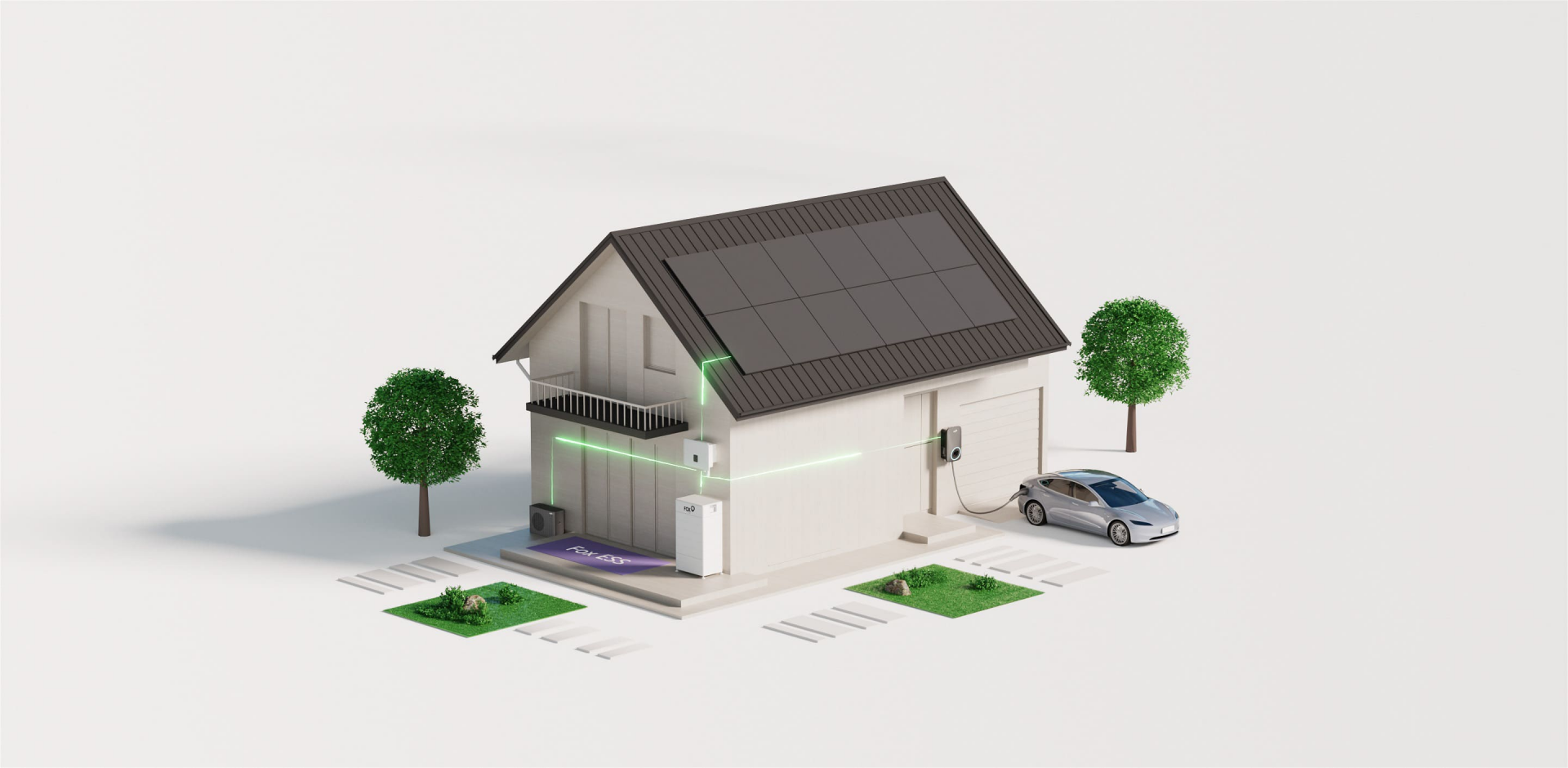
A modern residential energy system increasingly has to serve more than lights, appliances, and solar panels. An electric vehicle introduces a substantial new electricity load, while a heat pump shifts heating and hot-water requirements toward electricity.
The resulting challenge is not simply installing additional equipment, but understanding how charging, heating, solar generation, storage, and household consumption can coexist within one energy environment.
Fox ESS tackles this evolving residential energy landscape with an extensive portfolio spanning EV chargers, heat pumps, energy storage, inverters, and smart digital management. At The Smarter E Europe 2026, the company presented residential systems and connected mobility as part of its broader energy ecosystem.
EV Charging Extends the Home Energy System to Mobility
An EV charger effectively connects the home’s electricity infrastructure to transportation. That connection becomes particularly relevant in a solar-powered property because charging represents an additional destination for electrical energy generated on site.
The current A-Lite Series (L MAX) provides an example, with 7.3 kW and 11 kW options together with Solar Linkage and Dynamic Load Balance.
This makes a home EV charger more than a dedicated electricity outlet for a vehicle. Its relationship with the wider household electrical system matters because charging power needs to coexist with other residential loads.
Solar linkage is particularly relevant to homes that already generate their own electricity. Instead of treating vehicle charging as an entirely separate activity, the charging equipment can form another pathway through which available solar power is used.
The broader charging portfolio also includes connectivity and open protocols. Depending on the series, the equipment supports interfaces such as Bluetooth, Wi-Fi, 4G, Ethernet, OCPP, and MODBUS.
Heat Pumps Add a Major Household Energy Load
Vehicle charging is only one part of residential electrification. Heat pumps introduce another electrical demand, particularly where a home uses electricity for heating or hot-water preparation.
The HP Series uses full DC inverter technology and R290 refrigerant, while the manufacturer describes an A+++ energy-efficiency level for the product. The range also includes intelligent defrosting and noise-reduction technology.
The system architecture extends beyond the heat-pump outdoor unit itself. The HP BOX range includes hydro-box and hydro-module configurations, with integrated hydronic components intended to support the heating system. Both are described as supporting SG Ready, with operating data capable of being transmitted to Fox ESS Cloud through Wi-Fi or LAN.
That connectivity gives the heat pump a place within a digitally monitored residential environment. It does not, however, mean every household configuration automatically coordinates the heat pump with every other energy device. The available documentation supports connectivity and energy-management capabilities, but specific automated operating sequences should depend on the installed configuration and documented controls.
FoxCloud 2.0 Provides the Management and Visibility Layer
Once a home integrates solar generation, battery storage, an EV charger, and an electric heat pump, simply adding isolated hardware no longer guarantees unified energy efficiency. A centralized digital layer becomes essential to coordinate these high-demand loads.
FoxCloud 2.0 fulfills this role as an all-in-one home energy management platform, designed not only to monitor standard PV and storage metrics, but also to oversee smart appliances, EV charging behaviors, and thermal schedules within a single interface.
Its intelligent functions extend into energy analysis. The platform describes AI Mode as using energy habits, PV output forecasts, and dynamic or time-of-use tariffs when optimizing system performance. Users can also configure tariff plans and review energy-related data through the platform.
Consequently, EV charger functionality should be understood as one part of a wider energy-management environment rather than as an isolated charging feature. Solar generation, household consumption, and charging data can be considered within the same broader digital ecosystem.
What an Integrated Residential Setup Looks Like
Consider a home equipped with PV generation, battery storage, an EV charger, and a heat pump. Solar energy becomes the starting point for a more complex electricity flow: some electricity can serve immediate household demand, while storage can provide another route for managing available energy.
The EV introduces mobility demand, and the heat pump introduces heating-related electrical demand. Their presence changes the household’s consumption profile because electricity is no longer used only for conventional appliances.
A home EV charger with solar linkage and dynamic load balancing can therefore occupy an important position within that architecture. Meanwhile, the heat pump adds an electrified thermal load that can be monitored through its supported connectivity features.
FoxCloud 2.0 provides the common digital view across supported equipment and energy data. The platform’s purpose is not to imply that every device will automatically coordinate in every installation, but to give homeowners and energy professionals greater visibility and management capability.
Why This Broader System Architecture Matters
The significance of the approach lies in treating residential energy as a connected environment rather than a collection of unrelated products. An EV charger addresses mobility, a heat pump addresses thermal demand, batteries address energy storage, and solar equipment addresses generation.
For homeowners, this architecture provides a clearer path toward an increasingly electrified household. For installers, it creates a wider system-design perspective in which generation, storage, charging, heating, and digital monitoring must be considered together. Solar and storage provide the energy foundation, EV charging connects electricity with mobility, heat pumps electrify thermal demand, and FoxCloud 2.0 supplies monitoring and management capabilities.