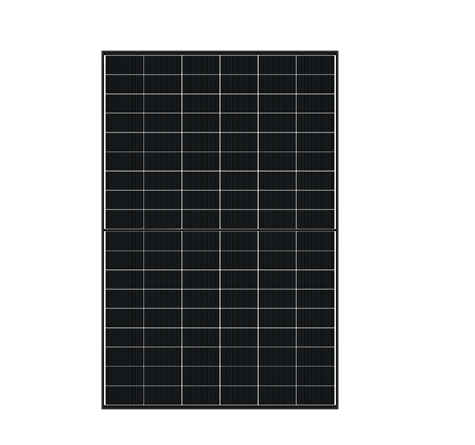
As global energy strategies continue evolving, more project developers and system designers are turning toward DMEGC Solar and other manufacturers that invest in modern cell structures. The growing interest in n type solar panels comes from their ability to deliver higher power generation, better long-term reliability, and improved performance in diverse environments. They rely on advanced cell engineering that minimizes light-induced degradation while maintaining output stability over time. This shift reflects a broader industry move toward solutions that support predictable returns in residential, commercial, and utility settings. By understanding these trends, users can make more informed decisions about future installations.
Technology Differences That Shape Field Performance
The technology behind n type solar panels makes them different from older p-type formats. Their structure allows stronger resistance to heat, which helps maintain consistent energy yield during high-temperature operation. They also demonstrate enhanced sensitivity in low-light conditions, an important factor for regions with variable weather. In real-world applications, these characteristics contribute to more stable production curves and better system predictability. When considering equipment options, examining long-term behavior—such as degradation, mechanical reliability, and energy density—helps reveal why this technology is increasingly chosen for new system designs across multiple project scales.
Cost and System Value Considerations for Modern Installations
While initial costs can vary, system value often depends on lifetime output, operational reliability, and compatibility with future system expansion. They offer advantages in all three areas, which is why many developers evaluate them when planning systems that will operate for decades. They also fit well with product lines such as the Infinity RT Series, which includes M10RT and G12RT modules designed for higher power and improved efficiency. With outputs up to 610Wp and efficiency reaching 22.95%, this series supports better string capacity and strong aesthetics, making it suitable for residential, C&I, and utility-scale scenarios. Its N-type structure and 30-year linear power warranty further strengthen system value.
Conclusion: Why N-Type Will Continue to Influence Future Deployments
Choosing future-oriented technology involves evaluating performance, durability, and long-term economic impact. As shown throughout this discussion, the advantages of N-type cell design support more reliable output and stable operation. These qualities explain why many new installations prefer this direction and why they remain a strong option for upcoming solar projects.